



Dehradun, 21 August 2026:
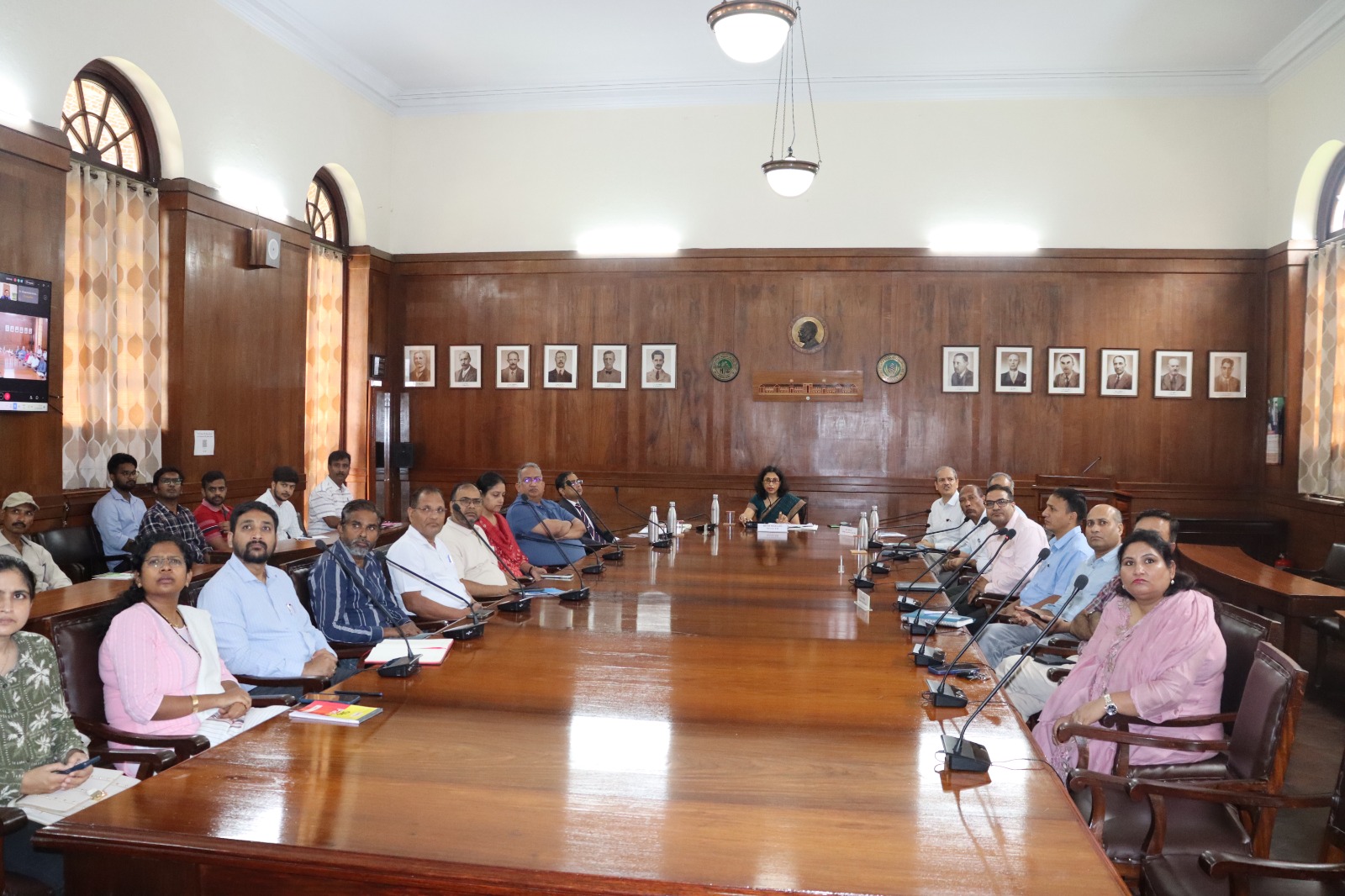
The Regional Research Conference (RRC)-2026 on Current Status, Challenges and Future Prospects of Tree Improvement for Productivity Enhancement for Viksit Bharat@2047 was organized by ICFRE–HFRI, Shimla in association with ICFRE–FRI, Dehradun in hybrid mode. The conference brought together forestry researchers, scientists, academicians, industry representatives and Forest Department officials to deliberate on strengthening tree improvement, climate-resilient forestry and sustainable productivity for enhanced livelihoods.
The inaugural session was addressed by Dr.Manisha Thapliyal, Director, ICFRE–HFRI, Shimla; Smt. RichaMisra, IFS, Director, ICFRE–FRI, Dehradun; Dr. H.S. Ginwal, DDG (Research), ICFRE; Dr.Sudhir Kumar, DDG (Extension), ICFRE; and the Guests of Honour Dr. Sanjay Sood, IFS, PCCF &HoFF, Himachal Pradesh Forest Department. Smt. Kanchan Devi, IFS, Director General, ICFRE, delivered the inaugural address.
Technical Session-I focused on Tree Improvement, Genetic Resources and Quality Planting Stock for Enhanced Productivity. The session covered research initiatives of HFRI and FRI, advances in tree improvement and forest genetic resources, and biotechnological and physiological interventions for conservation and sustainable management of forest genetic resources. Dr.Maneesh Singh Bhandari, Head, Genetics and Tree Improvement Division, FRI, highlighted advances in tree improvement programmes involving Eucalyptus, Corymbia, Neem, Melia, Sheesham, Bamboo, Ringal, Tun and other important industrial, medicinal and agroforestry tree species. Dr.Rajendra K. Meena presented the status and initiatives related to forest genetic resources. The session also facilitated interaction with Forest Departments of Himachal Pradesh and Uttarakhand. Dr.Vinay Bhargava, Conservator of Forests, presented the Uttarakhand perspective and emphasized the need for physiography- and site-specific approaches in tree improvement and research planning. Shri Surendra, DFO, Hamirpur, highlighted the Himachal Pradesh perspective and stressed greater collaboration between HFRI, FRI and State Forest Departments in implementing research programmes.
Technical Session-II addressed Tree Improvement for Climate Resilience, Farm Productivity and Sustainable Livelihoods, with presentations covering medicinal tree productivity, multipurpose trees for enhancing farm productivity, clonal forestry for industrial wood security, Himalayan genetic diversity, tree improvement in the Jammu subtropics and agroforestry-based rehabilitation of degraded lands. Representatives from the Forest Departments of Ladakh, Jammu & Kashmir, Delhi, Uttar Pradesh and Punjab participated in discussions on regional forestry research priorities and emerging challenges.
A key outcome of the conference was the need to move beyond plantation targets towards resilient, productive and genetically diverse forest landscapesthrough site-specific species and provenance selection, conservation and utilization of genetic diversity, quality planting stock, natural regeneration, climate-smart nursery practices and long-term monitoring. The deliberations particularly emphasized climate–species suitability assessment, provenance and progeny trials, improved nursery technologies, restoration economics, digital forest monitoring and stronger research–field linkages.
The conference concluded with an interactive discussion and wrap-up session, emphasizing collaborative and demand-driven research programmes for productivity enhancement, climate resilience, conservation of forest genetic resources and sustainable livelihoods. The RRC provided an important platform for bringing together scientific expertise and field-level priorities and for translating advances in tree improvement into actionable strategies aligned with the national vision of Viksit Bharat@2047.
From ICFRE–FRI, Dehradun, Dr. D.P. Khali, Dr.SantanBarthwal, Dr.VikasRana, Dr. Tara Chand, Dr.Hukum, Dr.Shambhavi, and Dr.Shruti participated in the technical sessions, along with research scholars and technical staff of FRI. Their participation contributed to the exchange of scientific knowledge and strengthened institutional and inter-state collaboration in the areas of tree improvement, forest genetic resources, climate resilience and sustainable forestry.

 एफआरआई, देहरादून में हर्षोल्लास के साथ आयोजित किया गया हिंदी पखवाड़ा- 2026Fri Events
 Inauguration of a Five-Day Short-Term Training Programme on “Plywood Manufacturing”.Fri Events
 ICFRE Approves Release of 18 High-Yielding Varieties/Clones of Important Forestry Tree SpeciesFri Events
 National Forest Martyrs Day observed at FRI.Fri Events
 ICFRE-Forest Research Institute Dehradun, Convened 32nd Research Advisory Group MeetingFri Events
 Regional Research Conference 2026 on Tree Improvement for Viksit Bharat@2047 ICFRE–HFRI, Shimla in association with ICFRE–FRI, Dehradun.Fri Events
 The Forest Research Institute, Dehradun, celebrated the 80th Independence Day on 15 August 2026 in front of the Main Building.Fri Events
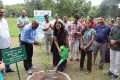 ICFRE-Forest Research Institute, Dehradun Celebration of Van Mahotsav- 2026.Fri Events
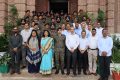 Training programme on “Conservation and Sustainable Management of Forest Ecosystems” was organized by the Forest Research Institute (FRI), Dehradun, on 10 July 2026 in the FRI Board Room for officers and personnel of the Indian Army.Fri Events
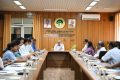 World Day to Combat Desertification and Drought (WDCDD) 2026.Fri Events