



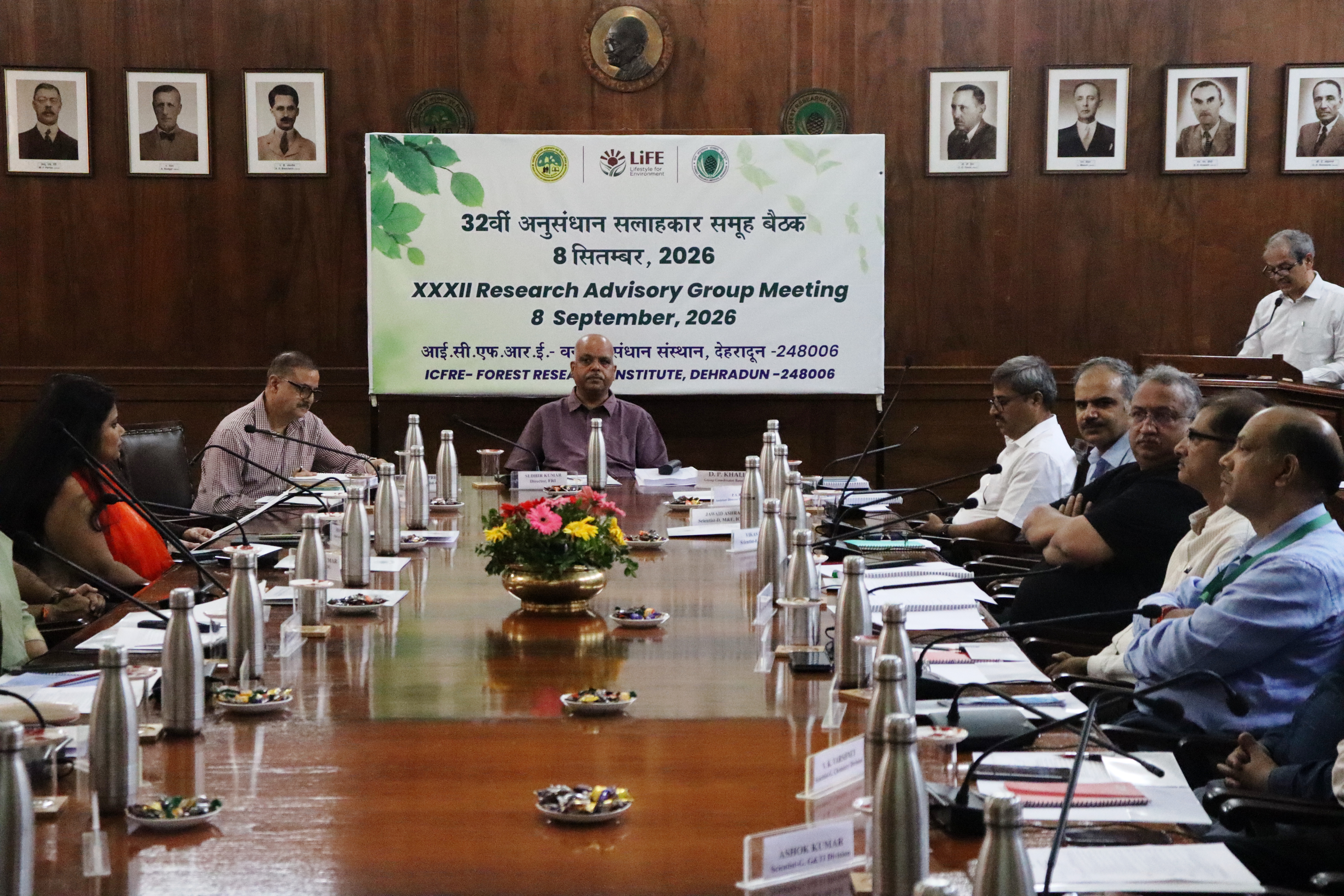
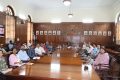
The ICFRE-Forest Research Institute (FRI), Dehradun, convened its 32nd Research Advisory Group (RAG) Meeting on September 8, 2026, bringing together eminent forestry experts, scientists and forest officials from various states, with extensive knowledge and experience in forestry and allied disciplines. The meeting was chaired by Dr. Sudhir Kumar Director, Forest Research Institute.
The meeting served as a significant platform for detailed scientific deliberations on the Institute’s research priorities and ongoing scientific programmes. The Research Advisory Group critically examined the proposals on the basis of their scientific merit, relevance, innovation, feasibility and potential contribution to the field of forestry.
A total of twelve new project proposals and six change requests were placed before the expert committee for consideration. The proposed projects covered key research areas, including Managing Forests and Forest Products for Livelihood Support and Economic Growth; and Biodiversity Conservation. The participation of eminent forestry experts provided valuable scientific perspectives and inputs towards strengthening the proposed research initiatives. Their deliberations are expected to contribute to developing scientifically robust, innovative and application-oriented research programmes addressing emerging challenges in forest management, biodiversity conservation and climate resilience.
In addition to evaluating the new project proposals and change requests, the expert group also reviewed the progress of ongoing Plan Projects. The review enabled the committee to assess research outcomes, identify areas requiring further attention and provide guidance for strengthening the implementation and impact of ongoing projects.
The projects approved during the RAG meeting will be forwarded for further evaluation by the Research Policy Committee (RPC) of the Indian Council of Forestry Research & Education (ICFRE).
The meeting concluded with an emphasis on promoting scientifically robust, innovative and application-oriented research, while creating greater opportunities for scientists to undertake intensive research with long-term relevance to sustainable forestry, biodiversity conservation and climate resilience.

 FRI Concludes Three-Day Training Programme on Conservation and Management of Forest Ecosystems for Eco Task Force Officers.Fri Events
 Forest Research Institute, Dehradun Celebrated birth anniversary of the Father of the Nation, Mahatma Gandhi, and the birth anniversary of the late Lal Bahadur Shastri were celebrated on 02 October 2026.Fri Events
 एफआरआई, देहरादून में हर्षोल्लास के साथ आयोजित किया गया हिंदी पखवाड़ा- 2026Fri Events
 Inauguration of a Five-Day Short-Term Training Programme on “Plywood Manufacturing”.Fri Events
 ICFRE Approves Release of 18 High-Yielding Varieties/Clones of Important Forestry Tree SpeciesFri Events
 National Forest Martyrs Day observed at FRI.Fri Events
 ICFRE-Forest Research Institute Dehradun, Convened 32nd Research Advisory Group MeetingFri Events
 Regional Research Conference 2026 on Tree Improvement for Viksit Bharat@2047 ICFRE–HFRI, Shimla in association with ICFRE–FRI, Dehradun.Fri Events
 The Forest Research Institute, Dehradun, celebrated the 80th Independence Day on 15 August 2026 in front of the Main Building.Fri Events
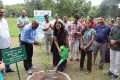 ICFRE-Forest Research Institute, Dehradun Celebration of Van Mahotsav- 2026.Fri Events